The Coach Who Won't Brag
The KMAA Chronicles
The Coach Who Won't Brag on Himself
(So I'm Going to Do It for Him)
How do you find what's actually good in a world where "good" is whatever social media tells you it is?
I think about this question a lot, because I live inside the answer, and I watch the opposite win attention every single day.
Somewhere along the way, followers became a kind of currency, and we started treating that currency like it was the same thing as wisdom. Like it was the same thing as greatness. Like a number under a profile picture could tell you whether a person can actually do the thing they claim to do. Meanwhile, the people who are truly working — the ones perfecting a craft the slow way, nose to the grindstone, decade after decade — are usually too busy to count likes at all.
Don't get me wrong. There are genuine greats out there with huge followings, and they earned every bit of it with real achievement. But riding their coattails is a much larger crowd whose main skill is telling you how amazing they are. In all my years in combat sports, I've been blessed to cross paths with some truly phenomenal coaches — and, sadly, with even more "leaders" who mostly just love the limelight. They're very good at telling people how good they are. Proving it is another matter.
They get enough attention. This post isn't for them.
This post is about one man in particular, who has spent nearly three decades changing lives for the better. He has taken passive, overlooked, non-traditionally-pedigreed people and turned them into world-class athletes. Who built one of the most respected rooms in this sport and still flinches when anyone points a camera at him.
My husband and my head coach: Eric Turner.
Because at the end of the day, results, real accountability, and the ability to grow and even change a sport are what tell you who is actually skilled — and who is pretending.
Yes, I'm Biased. That's Exactly Why You Should Keep Reading.
I know how this looks. I'm married to the man. Of course I think he's great.
But here's what I'd ask you to consider: being married to a coach doesn't give you a rosier view of them. It gives you the honest one. The public sees the version of a coach that walks onto the mat at 8 a.m., composed and prepared. I see everything that happens before and after. The version nobody claps for.
I see the endless hours. The training, the reading, the researching, the traveling to learn from anyone who has something worth learning. I see the man who goes through two or three books a week — coaching science, skill acquisition, psychology, leadership, history — and then shows up the next morning asking how any of it could make one drill, one class, one fighter better. I see the notebooks. I see the systems being built and torn down and rebuilt at hours when every other coach I've ever known is asleep.
And I see the question that drives all of it, the one he returns to on the early mornings and the late nights, the one I've heard him mutter at the kitchen table more times than I can count:
"How do I make this sport better?"
Not "how do I get more attention." Not "how do I grow the brand."How do I make this better?" The craft itself. The methods. The athletes. The room.
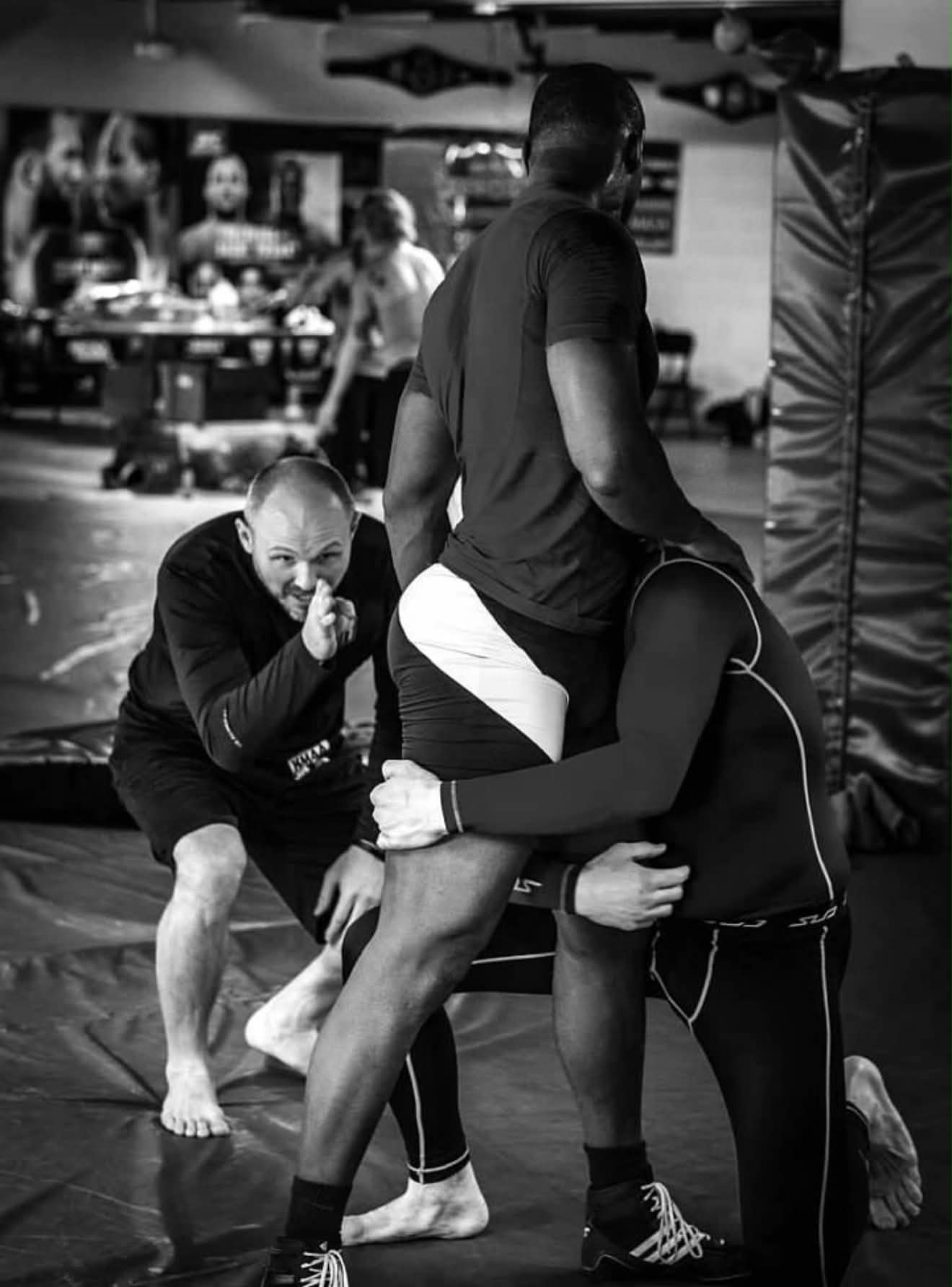
Here's the thing I've come to understand, watching from closer than anyone: Eric isn't just a hard worker — though he outworks everyone I've ever met. He's an innovator, in the most literal sense of that word. He doesn't adopt the way things are done; he interrogates it, tests it, and very often replaces it. I have watched him build training methods in our gym years before I saw the wider MMA world "discover" the same ideas and celebrate them as breakthroughs. It has happened over and over across KMAA's history. The sport keeps catching up to things that were already running on our mats.
He will never tell you any of this. I've told him for years that his allergy to the limelight is actually hurting people — because while he keeps his head down and builds, others with a fraction of the ability are out there luring students in with flash. The world doesn't need more people who talk about innovation. It needs the ones who actually do it. And it needs to be able to find them.
So consider this post me turning the lights on, whether he likes it or not.
From a 10x10 Garage to 25,000 Square Feet
Let me tell you where this started, because the beginning tells you more about a man than any highlight reel.
KMAA began in a 10-by-10-foot garage. No heat. No air conditioning. The lights got shut off regularly because the money wasn't there. Five hardcore students sweating in the summer and seeing their breath in the winter, learning from a coach who had nothing to offer them but knowledge, standards, and absolute commitment.
That garage became the Knoxville Martial Arts Academy you can walk into today:25,000 square feet, the largest MMA facility in Tennessee, with over 300 members from every walk of life you can imagine. Doctors and linemen. Teachers and teenagers. First-day beginners and professional fighters, on the same mats, in the same culture.
Nobody handed him that. There were no credentials, no famous name over the door, no shortcut. There was a question —how do I make this better?— asked every day for almost thirty years, and answered with work.
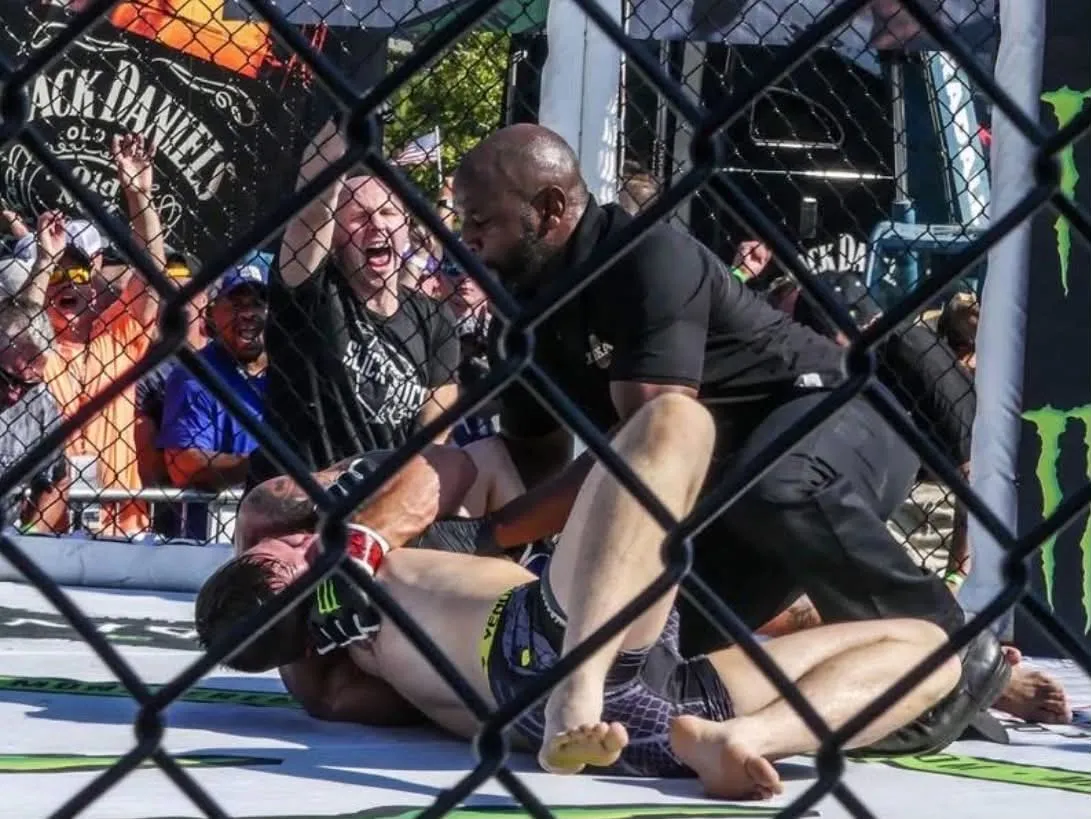
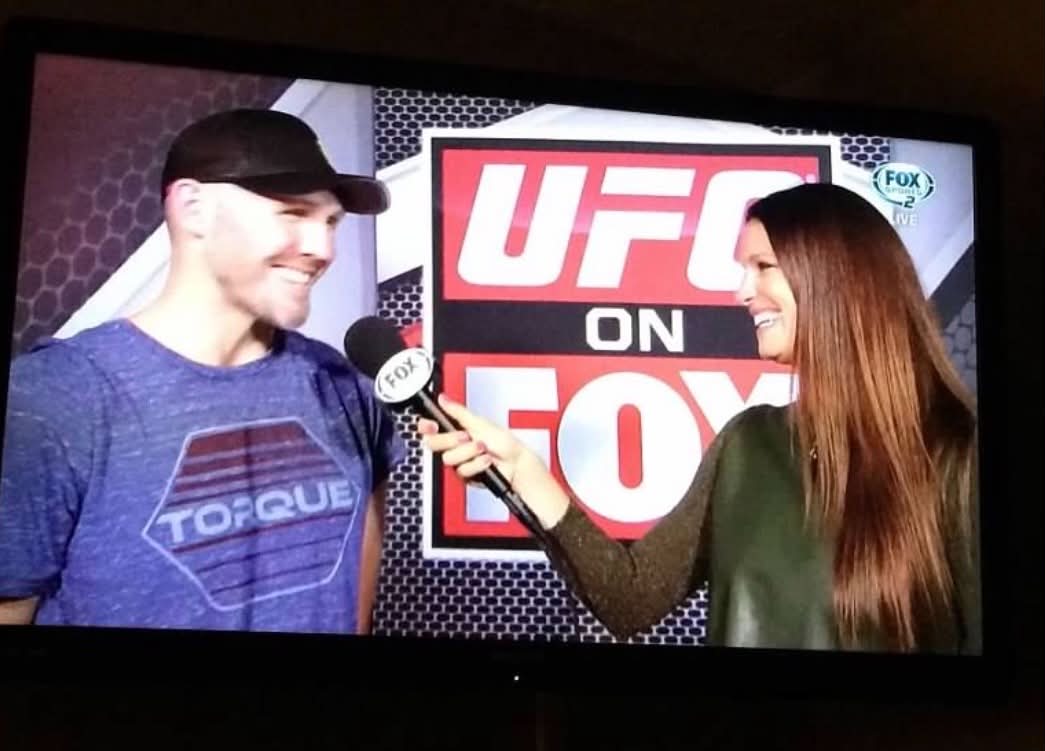
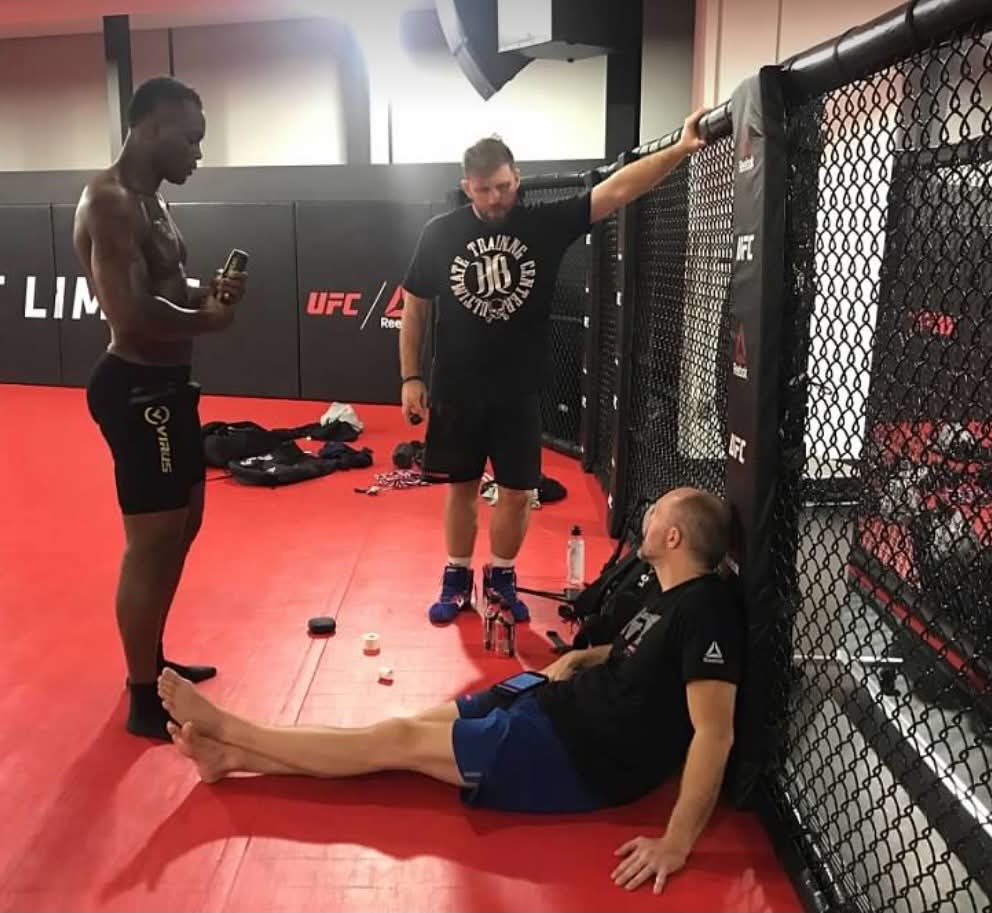
And here's what that building has produced, which is the part you can verify without taking a wife's word for anything: athletes developed at KMAA have gone on to compete on the biggest stages in the sport — the UFC, Bellator, PFL, and Invicta, just to name a few.
But it's who those athletes were when they walked in that tells you what kind of coach you're dealing with.
He Doesn't Recruit Talent. He Builds It.
There's a dirty secret in high-level coaching: a lot of famous coaches are actually famous recruiters. They collect athletes who were already going to succeed, stand near them, and absorb the credit. The real test of coaching isn't what you do with a blue-chip prospect. It's what you can build from material nobody else wanted.
Yes, some of KMAA's athletes came from football or wrestling backgrounds. But others came from swimming. From golf. From nothing at all — no competitive history, no athletic pedigree, no reason on paper to believe they'd ever stand under arena lights.
I'm one of them.
I am a distance runner with some collegiate rowing behind me. That's it. No striking background, no grappling, no combat anything. I started MMA at about 26 — which, if you know this sport, is the age when most people are told the window has closed.
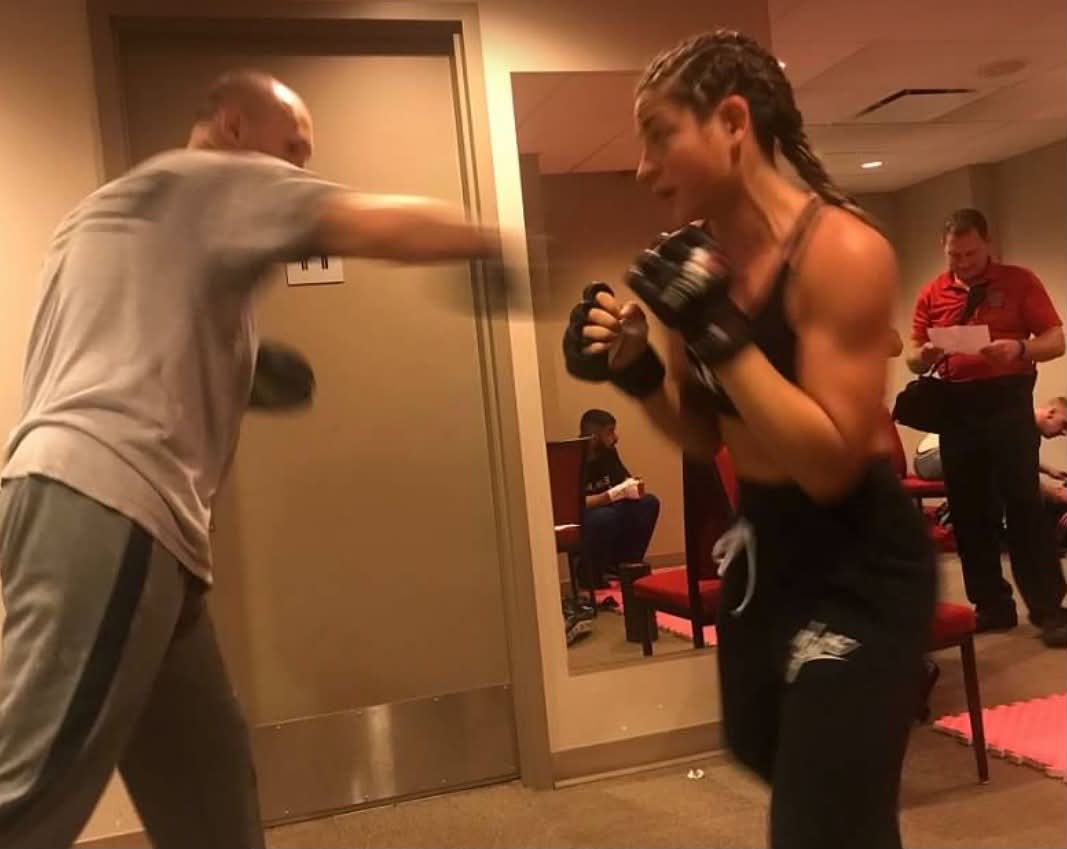
Training solely under Eric Turner, I made it to the Bellator stage. I competed at Madison Square Garden — "the world's most famous arena" — against a highly credentialed boxing champion.
And I won.
I want to be careful here, because the point of that story is not me. The point is this: a rower-turned-runner who started at 26 walked into MSG against a decorated striker and came out with her hand raised, and every single step of that road — the skill development, the game plan, the preparation, the corner — was built by one coach and the team he created. I'm not an exception to how Eric coaches. I'm an example of it. There are stories like mine all over our mats, at every level, from pro debuts to the 45-year-old who just did their first round of live sparring and discovered they were braver than they thought.
That's the difference between a coach and a collector. A collector needs you to arrive already great. A builder makes greatness out of whoever shows up with the will to work.
What "Innovative" Actually Looks Like Up Close
I keep using the word innovative, and I know words like that are cheap on the internet, so let me show you what it looks like from inside our house.
Walk into most MMA gyms in this country and you'll see the same thing you'd have seen twenty years ago: lines of people copying techniques, drilling dead repetitions on partners who stand still and cooperate. It looks like training. Everyone's used to it. Nobody questions it.
Now walk into KMAA. The classes look different — more alive, more game-like, more chaotic in a way that is anything but accidental. Beginners solving movement problems against real resistance from their first week. Fighters training perception and decision-making, not just mechanics. A written curriculum where every class connects to a named set of principles, so that month three builds on month one and a coach on Tuesday is teaching the same language as a coach on Thursday. Testing and athlete development built on the same performance science used at the highest levels of the sport — not guesswork, not bro-science, not "this is how my coach did it so this is how I do it."
None of that came from a franchise manual. Eric built it — reading the research most coaches never open, testing it on the mats, keeping what worked, discarding what didn't, and writing it all down. And here's the pattern I've watched repeat for as long as I've known him: ideas run in our room for years, quietly producing results, and then one day I see the broader MMA world excitedly announce the same approach as the cutting edge. The sport catches up. It always catches up. He's already three ideas further down the road by then, asking the same question he was asking in the garage.
He also refuses to hoard any of it. The athlete development methodology he built — drawing on decades of coaching and the best available performance data — he gives to his athletes for free. The curriculum, the systems, the standards: all of it exists in writing, teachable, transferable, built to make other people better rather than to make him irreplaceable. I've genuinely never met anyone like that. Most brilliant people guard their brilliance. Eric's entire instinct is to turn his into infrastructure and hand it to someone else.
That's the part the highlight reels can't show you. Innovation isn't a moment. It's a thirty-year habit of refusing to accept that the current way is the best way — and having the intellect, the work ethic, and the humility to keep proving it.
Culture: The Buzzword Everybody Uses and Almost Nobody Builds
"Culture" might be the most abused word in sports right now. It's on every gym's Instagram. It's in every coach's bio. And most of the people saying it could not tell you, concretely, what their culture actually requires of anyone.
Let me tell you what it looks like when it's real.
Anyone who has trained at KMAA for any length of time knows that change is constant — methods evolve, the sport evolves, Eric evolves faster than both. But the culture underneath never moves:
"Sweep the sheds." Nobody is too important to do the humble work. At KMAA, champions mop mats. Coaches stack pads. Status buys you responsibility, never exemption.
Respect for teammates and coaches— not as a poster on the wall, but as behavior that gets noticed, praised, and corrected in real time.
"Trust the Process." Easy to say. At KMAA it's load-bearing, because the Process has thirty years of receipts.
"Negatives go up." Issues go to leadership — never sideways into gossip, never downward onto someone with less power. In a gym of over 300 people, there will always be problems. What a culture determines is whether problems create divisions or get solved. Ours get solved.
A written code of conduct that members and athletes alike actually have to adhere to. Not vibes. A standard, in writing, enforced.
That hyper-vigilance about taking care of the people around you — the team above the self — is paramount in our room. And I won't pretend it's for everyone. Some people haven't survived that culture, and that's okay. People move on. But for the majority who have stayed — and many have stayed for years, which in the gym business is its own kind of evidence — the benefits have compounded into something you can feel the moment you walk in the door.
And in the last few years, Eric has done something I've watched almost no one in this industry even attempt: he has taken the culture that lived in his bones and written it down— codified it into systems that will outlive any one person's charisma. That's what builders do. Talkers need to stay in the room for their culture to exist. Eric built one that doesn't need him in the room.
He Doesn't Just Coach. He Coaches the Coaches.
Here's the credential that I think says more than any belt or any fighter's record, because it comes from the harshest judges in sports: other coaches.
Coaches are proud. Coaches are territorial. Coaches do not spend their rare free evenings sitting at the feet of a rival unless they are getting something they cannot get anywhere else.
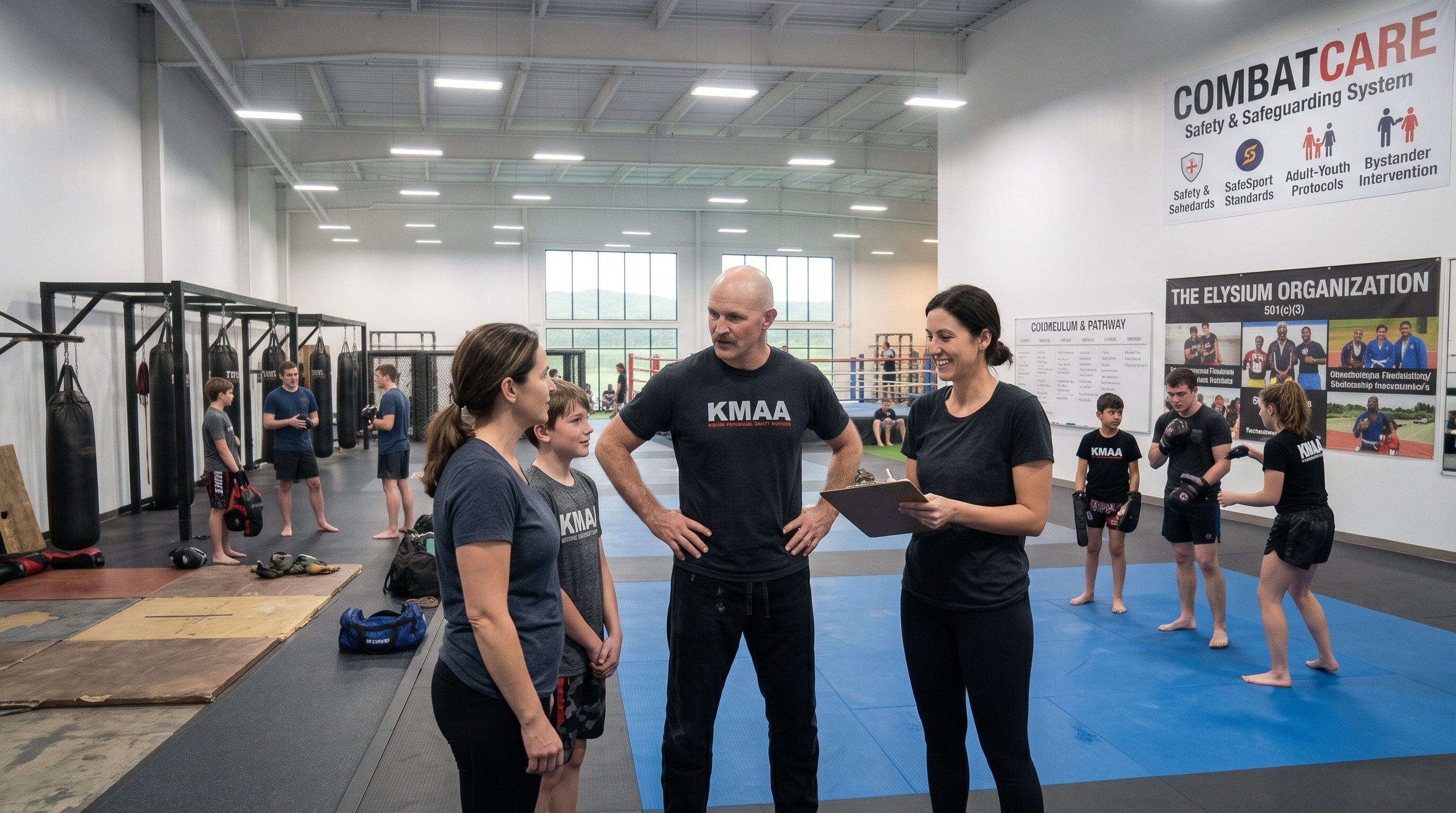
And yet: a remarkable number of the local wrestling coaches train under Eric Turner. On a single night at KMAA, we have had four or five different high schools represented on our mats by their own coaches— leaders of their own programs, responsible for their own athletes, coming to learn how to be great leaders from one of the greatest. People who coach for a living seek him out to learn how to coach.
Think about what that means. The public mostly can't evaluate coaching — they see wins, charisma, follower counts. But coaches can evaluate coaching. They know exactly how rare the real thing is, because they spend their lives trying to do it. When the professionals keep choosing the same teacher, that's not marketing. That's the verdict of the only jury that's qualified.
The Things He Built That He'll Never Mention
Since my husband refuses to talk about himself, let me list two more things he'd never bring up — the things he built not for the gym's benefit, but for everyone else's.
CombatCare. Combat sports has a problem it doesn't like to discuss: rooms full of physical power, close coach-athlete relationships, real power imbalances — and, in most gyms, absolutely no structure protecting anyone. Eric looked at that gap and built CombatCare: a full safety and safeguarding system for combat sports environments, modeled on SafeSport, the standard used in Olympic sport. Power dynamics, adult-youth protocols, bystander intervention, ongoing consent, athlete welfare — written, enforced, real. And he deliberately designed it so the average gym owner, even a one-person operation, could adopt it. He didn't build a moat. He built a standard, and he wants the whole sport to have it.
The Elysium Organization. A 501(c)(3) nonprofit funding scholarships and competition costs for underserved athletes — because Eric believes, to his core, that talent and heart should never be priced out of this sport. Some of the best athletes this sport will ever see are standing outside gyms they can't afford. TEO exists to open the door.
A safety system he gives away to the sport. A nonprofit that pays for other people's dreams. This is what the man builds in his spare time, quietly, while other coaches are filming themselves talking.

Why I Wrote This
When it's all said and done, Eric Turner has left a wake of positive change across the combat sports world — for champions, and just as much for the hundreds of people who will never compete but who became stronger, braver, healthier versions of themselves in his room.
Has he made a couple of enemies along the way? Sure. If you stand for something, you always will. We're all the villain in somebody's story. But through the love and the hate alike, he just puts his head down and goes back to the same question: how do I make this better?
I suppose that's really why I wrote this. Because he won't. Because his humility, which I love, has a cost I don't: every month, people in this city choose a gym based on who shouted the loudest online, and they never find out that one of the most innovative coaches in this sport — a builder of champions, of culture, of coaches, of systems the rest of the industry will be copying years from now — has been quietly working in Knoxville this whole time.
I'm not just a proud wife. I'm someone who walked the road Coach Turner built — all the way from a rowing background to a win at Madison Square Garden — and I want the people out there who are serious about their dreams to be able to see what a truly great coach looks like. In every way that matters.
He's easy to find. He's the one in the 25,000-square-foot building who will never tell you any of this.
Come meet him. Watch one class. Watch how he corrects the newest white belt with the same attention he gives a pro. Then decide for yourself who's real.
Taylor Turner is co-owner and strength & conditioning coach at Knoxville Martial Arts Academy, and a former Bellator athlete who fought — and won — at Madison Square Garden. KMAA has been developing athletes and changing lives in Knoxville for nearly three decades. Come watch a class and see it for yourself.