
We Don't Create Followers.
We Cultivate Individuals.
At Knoxville Martial Arts Academy, we're more than a gym—we're a deliberate Whānau (extended family), a third place where like-minded warriors build unbreakable bonds, elite skills, and real confidence. Founded on sacrifice and heart, we combine world-class ecological/CLA training, data-driven results, uncompromising safety through CombatCare, and accessible training via The Elysium Organization so every brave soul can train without barriers. This page shares our culture, our why, and the people who make it all happen.

The KMAA Symbol (pictured above) is a "Mon" a Japanese, Family/Clan crest. Think of it like a Coat of Arms from Western Heraldry. It is designed to represent a Sea, with many waves breaking. This is because, at KMAA, we say and believe that, "The wave and the sea are one." Inside are three Japanese characters, called Kanji. The three Kanji, from top to bottom, are:
"Waza" meaning "Technique"
"Ki" meaning "Energy" or "Life force"
"Shin" meaning "Heart" or "Attitude"
Taken together, these are the three most important things to us at KMAA: Proper Technique, Proper Energy, and Proper Attitude. For 27 years these have been the guiding principles of what makes KMAA, KMAA.
Our Whānau Story: The Heartbeat of KMAA
In a world that's increasingly isolated—where individualism reigns, social media replaces real connection, and people crave belonging without knowing where to find it—KMAA stands as a deliberate antidote. We don't just teach martial arts; we cultivate a Whānau—the Māori concept of extended family that goes far beyond blood. It's a multi-layered bond rooted in shared values, mutual support, emotional depth, and collective strength, where every member is brother, sister, cousin, aunt, uncle, or parent to one another.
This isn't accidental "vibes" or a nice-to-have perk. In our modern, fragmented society, people need a true third place—not home (first place), not work (second place), but a gathering spot for like-minded souls to connect, grow, and belong without pretense. Sociology shows third places build empathy, reduce isolation, foster resilience, and even boost long-term well-being and achievement. At KMAA, we've made this intentional: we proactively integrate kickboxers with BJJ players, adults with youth, beginners with pros, so no factions form and everyone sees themselves as KMAA first.
Our legacy isn't measured only in UFC wins or black belts (although we do have a lot of those!)—it's in the unbreakable family we've built from the ground up. Founded on sacrifice (my daughter Elysium's childhood time given so this sanctuary could exist), this Whānau culture ensures that confidence, discipline, courage, and real human connection aren't luxuries—they're accessible to anyone who shows up with heart. When you train here, you're not joining a gym. You're entering a lifelong extended family that has your back on and off the mats, fighting isolation one hug, one roll, one shared sweat session at a time.
Our Whānau: More Than a Gym – A Deliberate Extended Family
From strangers to unbreakable extended family.
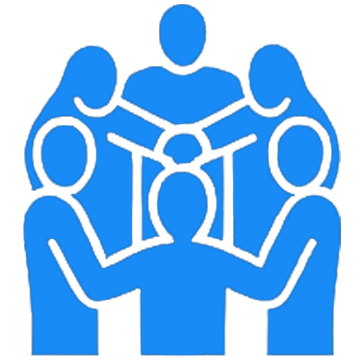
Deliberate Integration – No Factions, Only Family
We refuse to let cliques or "style silos" divide us. Kickboxers aren't separate from BJJ folks—they're cousins training side-by-side. We design classes, events, and social moments to mix everyone deliberately: cross-training sessions, group potlucks, shared challenges. This creates one unified KMAA identity where differences strengthen us, not separate us. Result? Deeper trust, faster learning, and lifelong bonds that extend beyond the gym.

The Third Place We All Need
Modern life leaves many feeling disconnected—too much screen time, too little real interaction. KMAA is your intentional third place: a welcoming sanctuary for laughter, struggle, growth, and belonging. Here, you're seen, supported, and celebrated as family, not a customer or number. Whether you're grinding through tough rounds or just needing encouragement after a bad day, the mats become the gathering spot society has lost—where like-minded warriors recharge, empathize, and build each other up.

Legacy Through Sacrifice and Shared Purpose
Our Whānau was born from real sacrifice given so this academy could rise from poverty. That foundation drives everything: we treat culture as sacred, passing down virtues (honor, loyalty, courage) through every interaction. This isn't fleeting motivation—it's enduring legacy. Members become part of something bigger: a multi-generational family that honors the past, supports the present, and invests in each other's future, on and off the mats.
Why Our Culture Costs More
(And Why It's Worth Every Penny)
Every gym has a 'vibe.' At KMAA we don't leave belonging to chance.
We deliberately design every class, event, and interaction so you walk in as a stranger and leave as family—brothers, sisters, cousins who have your back on and off the mats.
That level of intentional culture isn't free or easy to maintain… but it's exactly why members stay for years, build lifelong friendships, and feel truly seen and supported in a world that often feels disconnected.
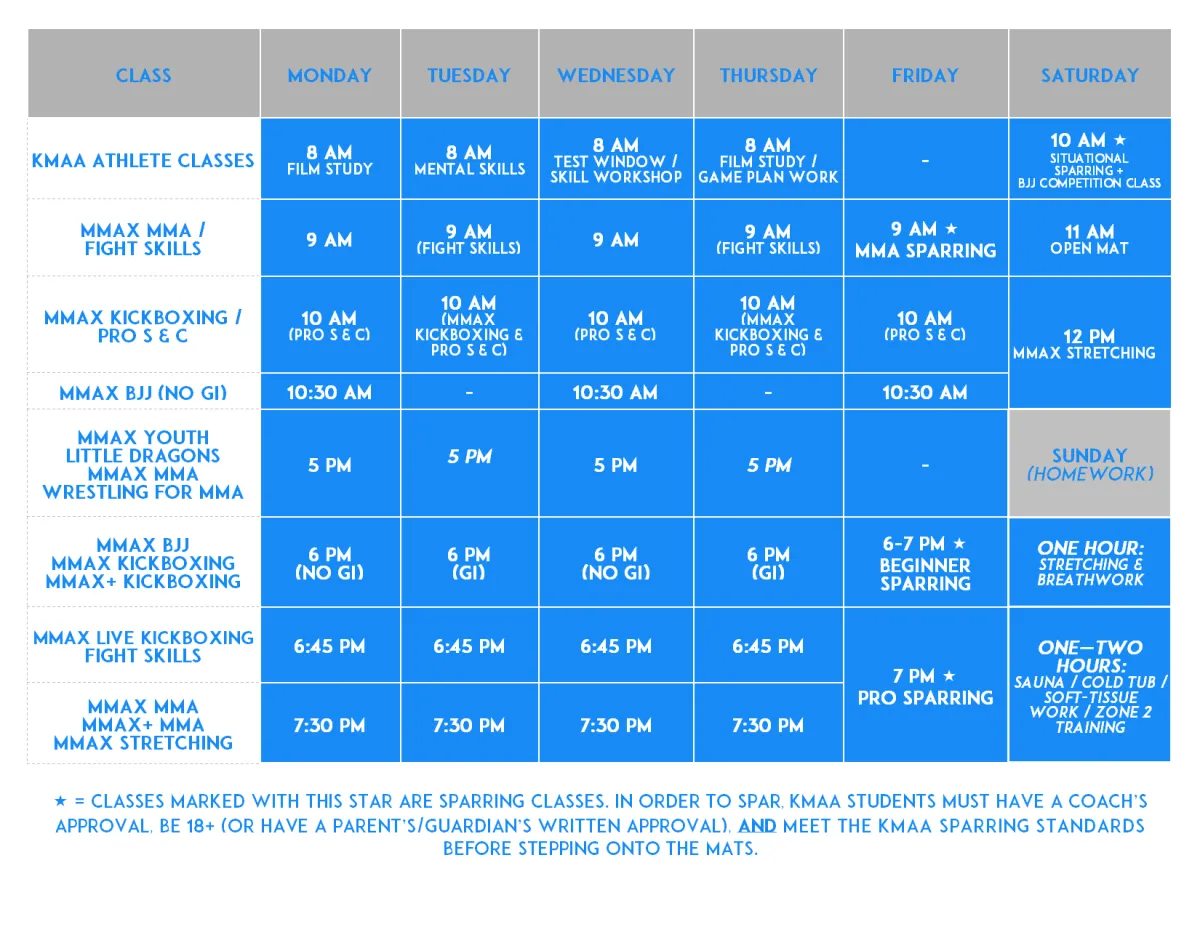
Let's Make a Schedule that fits your busy life!
Frequently Asked Questions
Frequently Asked Questions About Our Whānau
What exactly does “Whānau” mean at KMAA?
Whānau (pronounced "FA-now")is the Māori concept of extended family — not just blood relatives, but a chosen, multi-generational circle of brothers, sisters, cousins, aunts, uncles, and grandparents who show up for each other no matter what. At KMAA we don’t use the word lightly or as a cute tagline. We deliberately build it every day: mixing kickboxers with BJJ players, beginners with pros, adults with kids, so no one ever stays siloed in their “group.” You walk in as an individual and leave as part of something bigger — a real tribe that celebrates your wins, supports you through losses, and holds you accountable to become better.
That’s why people don’t just “train here” — they stay for years, bring their friends, bring their kids, and talk about KMAA like it’s home. In a world full of lonely gyms and superficial “community” vibes, Whānau is the rare thing that actually fills the belonging gap most adults have been missing since childhood. If you’ve ever felt like you don’t quite fit in anywhere, this is the place that was built to make sure you finally do.
I’m shy/introverted. Will I feel awkward or left out?
Not even a little. We designed Whānau knowing that many people walk through the door feeling exactly like you do — hesitant, unsure if they’ll be noticed or welcomed. That’s why coaches and senior members are intentional about spotting newcomers, introducing themselves, asking real questions, and including you in drills and conversations from minute one. No forced icebreakers, no “everyone hug” nonsense — just genuine, low-pressure warmth that lets you ease in at your own pace.
Over time, that small welcome turns into real friendships. We’ve had dozens of quiet, introverted members tell us KMAA is the first place they’ve ever felt truly seen without having to perform or “be outgoing.” The culture does the work for you — people naturally gravitate toward anyone who shows up consistently. If you’re willing to show up, Whānau will meet you more than halfway.
Do you force people to socialize or participate in events?
Never. Socializing is 100% optional — we never guilt-trip, pressure, or require anyone to join potlucks, hangouts, or extra events. We create the environment (cross-class mixing, group challenges, shared mats) so connections happen naturally when people are ready. If you want to train hard, keep your head down, and leave, that’s completely fine — and many do exactly that at first.
But here’s what usually happens: after a few weeks of rolling with the same people, laughing at the same inside jokes, and seeing the same faces cheering you on, you start wanting to stick around longer. The friendships form organically because the culture is built on respect, shared struggle, and mutual support — not forced team-building. That’s why even the “I’m just here to train” members often end up calling KMAA their second family.
How do you stop cliques or “cool kids” groups from forming?
We don’t let them form in the first place. Cliques happen when gyms let classes become silos — kickboxers only talk to kickboxers, BJJ people only roll with their gym rats. At KMAA we’re obsessive about integration: coaches rotate pairings, we mix disciplines in warm-ups and drills, and we design events that force everyone to interact. If a faction starts to emerge, we notice it and break it up — not with lectures, but with deliberate programming.
The result is a gym where a brand-new white belt can joke with a black belt pro, a mom in her 40s can train next to a college kid, and no one feels like an outsider. That constant mixing creates trust, empathy, and real camaraderie that most gyms talk about but never actually achieve. It’s one of the biggest reasons members say “this place feels different” the moment they step on the mats.
Why does belonging matter so much for martial arts training?
Because martial arts is hard — physically, mentally, emotionally. You’re going to get tapped, miss a technique, feel frustrated, question whether you belong. When you’re training alone or in a cold gym, that voice in your head gets loud and most people quit. When you’re surrounded by Whānau — people who know your name, cheer your small wins, and remind you why you started — that voice gets drowned out.
Belonging turns “I can’t do this” into “WE’LL try again tomorrow.” It turns one-off attendance into consistent training, which turns average progress into massive transformation. We’ve watched hundreds of people go from hesitant newcomers to confident, capable fighters simply because they felt safe enough to keep showing up. Whānau isn’t a nice-to-have; it’s the fuel that makes everything else possible.
How long does it take to feel like part of the Whānau?
For most people, it starts within the first 1–2 classes — a coach remembers your name, a training partner asks how your week was, someone high-fives you after a good roll. By week 2–3, you’re no longer “the new person”; you’re just Eric, Sarah, Mike — someone people are genuinely happy to see.
Full “family” feeling usually takes 4–8 weeks of consistent training — long enough to share some laughs, survive some tough rounds together, and realize these are the people who’ve got your back. After that, it’s not unusual for members to say they’ve made deeper friendships here in months than they have in years at other gyms or workplaces. The culture accelerates the timeline because we don’t wait for it to happen — we build it on purpose.
What if I’m older / younger / a different fitness level than most people?
Doesn’t matter. Whānau is built to include everyone — we have teenagers training beside grandparents, beginners rolling with black belts, and people in their 60s holding their own with 20-somethings. Coaches pair people thoughtfully, and the culture celebrates effort and improvement, not age, size, or belt rank.
We’ve seen older members gain confidence and mobility they thought was gone forever, younger ones learn maturity and respect from veterans, and everyone discover they’re capable of more than they believed. No one gets left behind or made to feel “less than.” That inclusiveness is why people of every background end up calling KMAA home.
Do families train together at KMAA?
Absolutely — and it’s one of our favorite things. Parents and kids often start in Little Dragons or family classes, then move into adult programs together. Siblings train side-by-side, spouses roll with each other, entire families show up for open mats. Whānau culture makes it natural for families to grow here together — shared struggle, shared wins, shared laughs.
Many families tell us KMAA is the one place they all look forward to going. It strengthens their real-life family bonds because they’re learning discipline, respect, and support on the mats. If you’re looking for something the whole family can do that actually brings you closer, this is it.
What happens if there’s conflict or drama in the gym?
At KMAA, conflict isn’t something we fear or sweep under the rug — it’s something we expect, welcome, and handle better than almost any other gym you’ll ever walk into.
We live on the mats where people routinely punch, kick, slam, choke, and submit each other — sometimes multiple times in a single round. If you can trust someone with your physical safety at that level, it would be absurd to then shy away from emotional or interpersonal conflict. We don’t pretend to be a conflict-free utopia; we build a culture where healthy conflict is the natural byproduct of real trust. That’s why we lean heavily on Patrick Lencioni’s The Five Dysfunctions of a Team as one of our core guiding documents: trust is the foundation, healthy conflict is how trust gets tested and deepened, productive conflict leads to real accountability, accountability drives commitment, and commitment produces results. We don’t avoid disagreement — we embrace it as the forge that makes relationships (and fighters) stronger.
When conflict does arise — whether it’s a misunderstanding on the mats, a personality clash, or someone stepping out of line — we address it immediately, privately first, and firmly when necessary. But we never stop at “fixing” the surface issue. We use our proprietary conflict resolution process to ensure every voice is heard, no one feels ganged up on or alienated, and the resolution doesn’t just restore the relationship — it improves it. People walk away with more trust, clearer boundaries, and a deeper understanding of each other. That’s not wishful thinking; it’s how we’ve turned potential drama into stronger bonds over and over.
Most gyms either ignore conflict until it festers or overreact and create resentment. We do neither. We treat emotional conflict the same way we treat physical conflict: with respect, intensity, and the expectation that it will make everyone better. Because if you can’t have a hard conversation with your training partner after they’ve had you in an armbar, you probably shouldn’t trust them to keep you safe in a real fight. At KMAA, conflict isn’t a problem — it’s proof the trust is real, and it’s one of the biggest reasons our members say this place feels safer emotionally than anywhere else they’ve ever been.
Why should I care about Whānau if I just want to get better at fighting?
Because getting better at fighting requires consistency, and consistency requires motivation — and nothing motivates like knowing people are counting on you to show up. When you have a Whānau cheering your progress, calling you out when you slack, and picking you up after a bad day, you train harder and longer than you ever would alone.
Elite fighters don’t become elite in isolation — they thrive in environments where they’re pushed, supported, and held to a higher standard by people who care. Whānau gives you that accountability without judgment, that extra 5–10% effort you didn’t know you had. If your goal is real improvement — not just showing up and going through motions — Whānau is the secret sauce that turns “pretty good” into “damn near unstoppable.”
At KMAA we say, "Everyone gets in the cage by themselves, but no one ever gets to the cage by themselves."